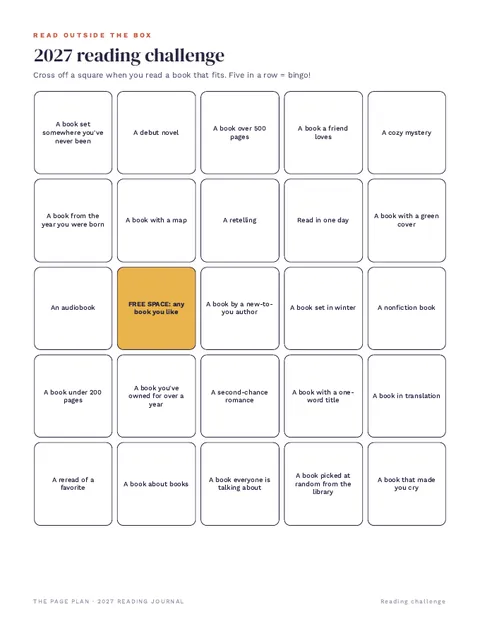
Annotating simply means marking up a book as you read: underlining lines you love, writing notes in the margins, flagging pages with sticky tabs. Some readers annotate every book; others only annotate favorites or book club picks. There's no wrong way to do it, but a simple system makes it faster and much more satisfying to flip back through later.
Why annotate?
- You notice more: foreshadowing, themes, favorite lines.
- You remember more, because you're actively engaging with the story.
- Book club discussions are easier when your favorite moments are flagged.
- An annotated book becomes a lovely keepsake, or a gift for a friend who can "read along" with your reactions.
Supplies you'll need
Start with a few basics. You can always add more.
- Sticky tabs in 4 to 6 colors. Transparent tabs let you see the text beneath.
- Highlighters. Mild or pastel tones are less likely to overpower the text. Test on a back page first.
- A fine pen or pencil for margin notes. Pencil is perfect if you want to erase later.
- Transparent sticky notes if you want to write notes without marking the page.
If you'd rather not mark a book at all (library books, borrowed books or special editions), sticky notes and removable tabs are your friends. Always leave library books exactly as you found them.
A simple color key
A color key tells you at a glance what each tab or highlight means. Here's an easy one to start with:
| Color | Use it for |
|---|---|
| Pink | Romance, swoony moments and chemistry |
| Yellow | Favorite quotes and beautiful writing |
| Green | Worldbuilding, setting and lore |
| Blue | Sad or emotional moments |
| Orange | Funny lines |
| Purple | Plot twists, clues and foreshadowing |
Write your key on a sticky note or bookmark and keep it inside the front cover. For mysteries, you might swap a color for "clues and suspects". For romantasy, add one for magic systems.
What to annotate
- Lines you'd want to quote to a friend
- First impressions of characters (fun to revisit at the end)
- Predictions: "I bet she's the traitor"
- Questions you want answered by the end
- Your reactions: a heart, a question mark, an exclamation point or "NO!"
- Words you want to look up
- Recurring symbols, objects or phrases
A quick annotation routine
- Before you start: write the date and where you are on the title page. It becomes a sweet memory later.
- While reading: highlight or tab as you go, but don't stop every paragraph. If you're pausing too often, you'll lose the flow of the story.
- At the end of each chapter: jot a one-line summary or reaction at the chapter's end.
- When you finish: write final thoughts on the last page, then copy your favorite quote into your reading journal.
Annotating different kinds of books
What you mark depends a lot on what you're reading. A few genre-specific ideas:
- Romance: tab the first meeting, the first moment of tension, the "oh no, I have feelings" realization and every line of banter you want to reread.
- Fantasy and romantasy: keep a color for the magic system and world rules. Maps, factions and made-up words are much easier to follow when you can flip back to them.
- Mysteries: mark every clue and every suspect's alibi. At the end, flip through to see which clues you noticed and which slipped past you.
- Classics: underline words or references you'd like to look up, and jot quick character notes. Older books often have large casts.
- Nonfiction: mark ideas you want to try, stats you want to remember and anything you disagree with. A short summary at the end of each chapter is gold later.
You don't need a different system for every book. Keep your core colors the same and add one "special" color per genre, so your annotations feel familiar every time you pick up a new book.
Annotating tips
- Annotate less than you think. If everything is highlighted, nothing stands out.
- Try the "reread rule". Only mark a line if you'd want to find it again.
- Use tabs on the top edge for quotes and on the side for plot moments so you can find them quickly.
- Annotate a paperback copy if you want to keep a hardcover pristine.
- Make it social. Some friends swap annotated copies and add their own notes in a different color.
Bring your annotations into your reading journal
Annotations are great in the moment. A reading journal keeps the best of them all in one place: favorite quotes, characters you loved, tropes you noticed and your final rating. The 2027 Reading Journal has a favorite quotes page and a book review page designed for exactly this. For more ideas, read how to start a reading journal.
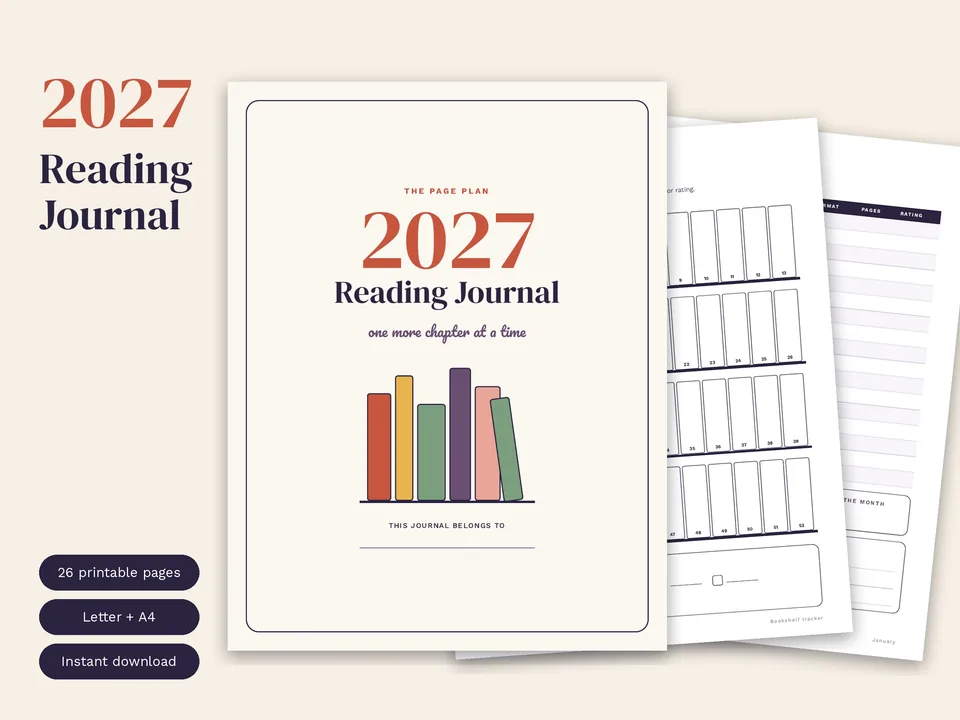
Track every book of 2027.
Our printable 2027 Reading Journal has goals, a 52-book bookshelf, monthly logs, reviews, a TBR list and a reading challenge. 26 pages, print at home.
A 1-minute story that measures your words per minute.
Our free reading speed test tool works it out in seconds. No sign-up.
Open the reading speed test toolQuestions people ask
Is it bad to write in books?
Not at all if the book is yours. Many readers love annotating because it makes a book personal. For library, borrowed or collectible books, use removable sticky notes instead.
What do the colors mean when annotating?
Whatever you like! A common approach is one color each for favorite quotes, romance, emotional moments, funny lines, worldbuilding and plot clues. Write your key inside the cover.
Do highlighters bleed through book pages?
Some can, especially on thin paper. Test on a back page first, or choose mild, dry or gel highlighters that are less likely to bleed.